What Most Media Misses
We have a few bones to pick with today’s media ecosystem.
One of the biggest goes back to the way so many of us were trained. Traditional journalism taught reporters to lay out what happened and why, but to stay far away from what might help. Offering solutions was framed as editorializing. Or worse, introducing bias. The job was to spotlight the problem and stop there.
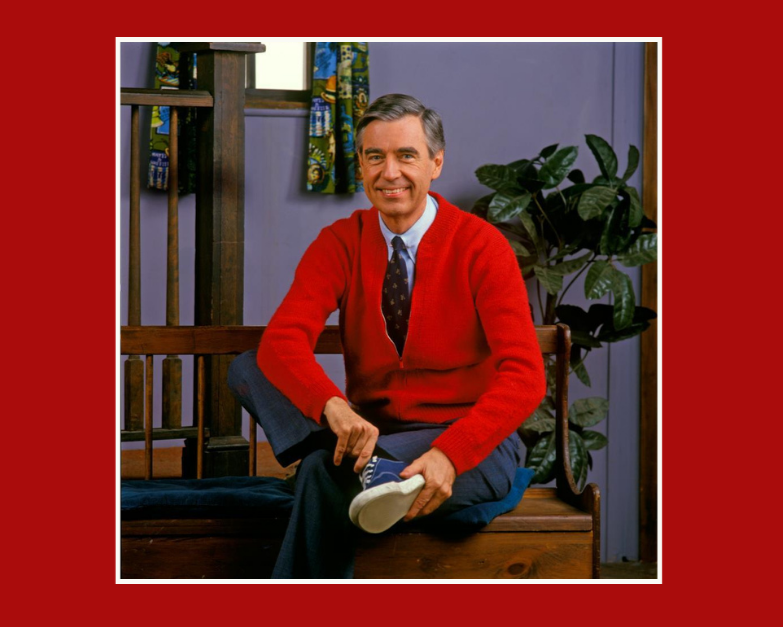
The truth is, that was never the right approach. Leaders as far back as Fred Rogers reminded us that people need to “look for the helpers,” and that the media has a responsibility to make those helpers visible. That wisdom was already on the table decades ago, yet the field largely ignored it. And the result is the landscape we’re living with now: one that reinforces negativity bias and leaves people feeling overwhelmed, hopeless, and disconnected.
That’s why we’re encouraged by the rise of Solutions Journalism. It focuses on how people respond to problems and what their efforts can teach us. It doesn’t pretend to have all the answers. But it does give the public something vital: real examples of progress, agency, and possibility.
A lot of meaningful work happening in communities never reaches the broader public. That’s exactly why Righteous Fights exists. Our role is to help surface those stories, amplify the people doing the work, and show what forward motion can look like.
We may not be journalists anymore, but our approach still comes from the same place: curiosity, care, and responsibility. We try to capture the full picture. Not just what’s broken, but what’s being built.
Because people deserve a story that helps them see not only the challenges ahead, but the helpers, the solutions, and the hope already taking shape.